We independently review every product. If you buy through a link here, we may earn a commission at no extra cost to you. Full disclosure.

The 10 Tech Accessories That Defined the Last 20 Years

Not the ten best-selling gadgets, the ten that actually moved a category. Every entry here is backed by what real reviewers and retrospectives said at the time or since, with sources linked so you can check our work.

Amazon Kindle (1st generation)
#1

Amazon Kindle (1st generation)

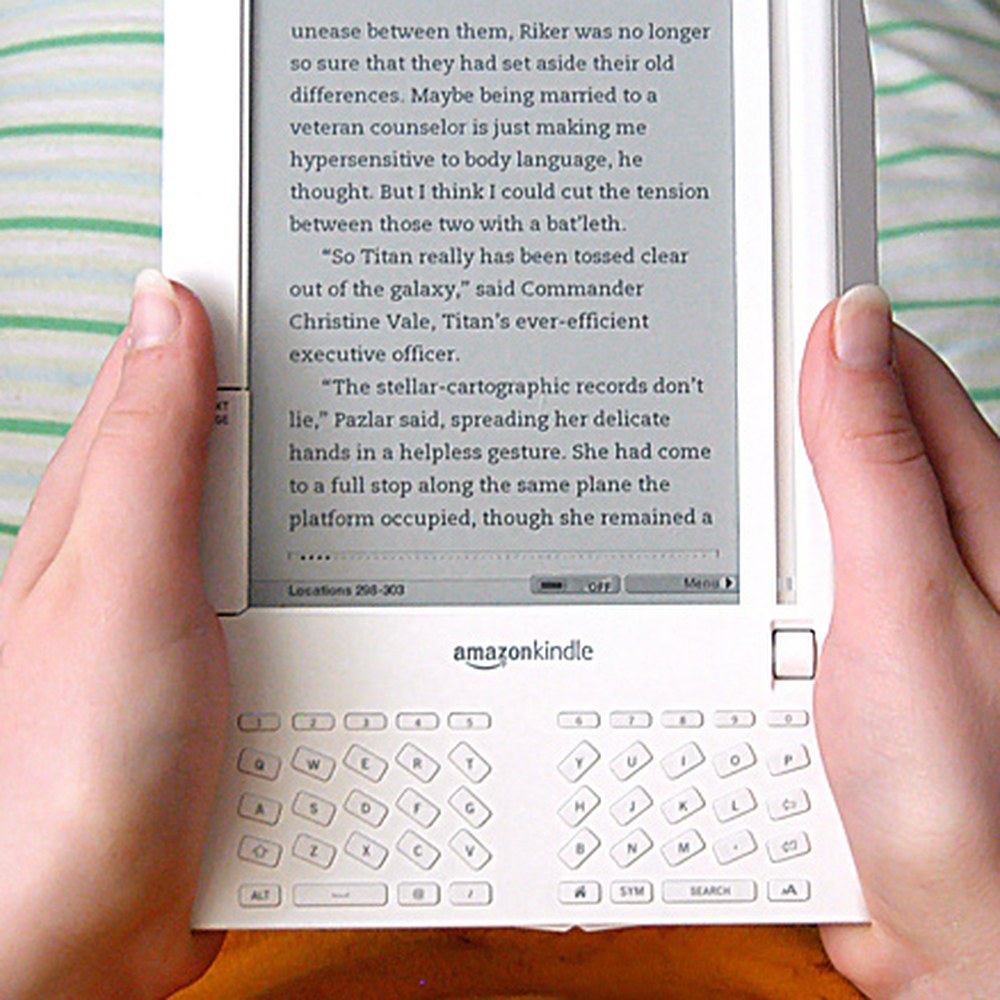
The original Kindle sold out in 5.5 hours despite a $399 price tag, and its real innovation wasn't the hardware, which reviewers at the time called bland, but the built-in Whispernet 3G that let people buy and download books wirelessly with no computer required. Retrospectives frame it as doing for digital reading what the iPod did for digital music: it didn't just launch a product, it normalized an entire format and cemented Amazon's dominance of digital publishing. It's still the reference point every e-reader since, Kobo, Nook, Kindle Paperwhite, has been measured against.
GoPro HD Hero
#2

GoPro HD Hero

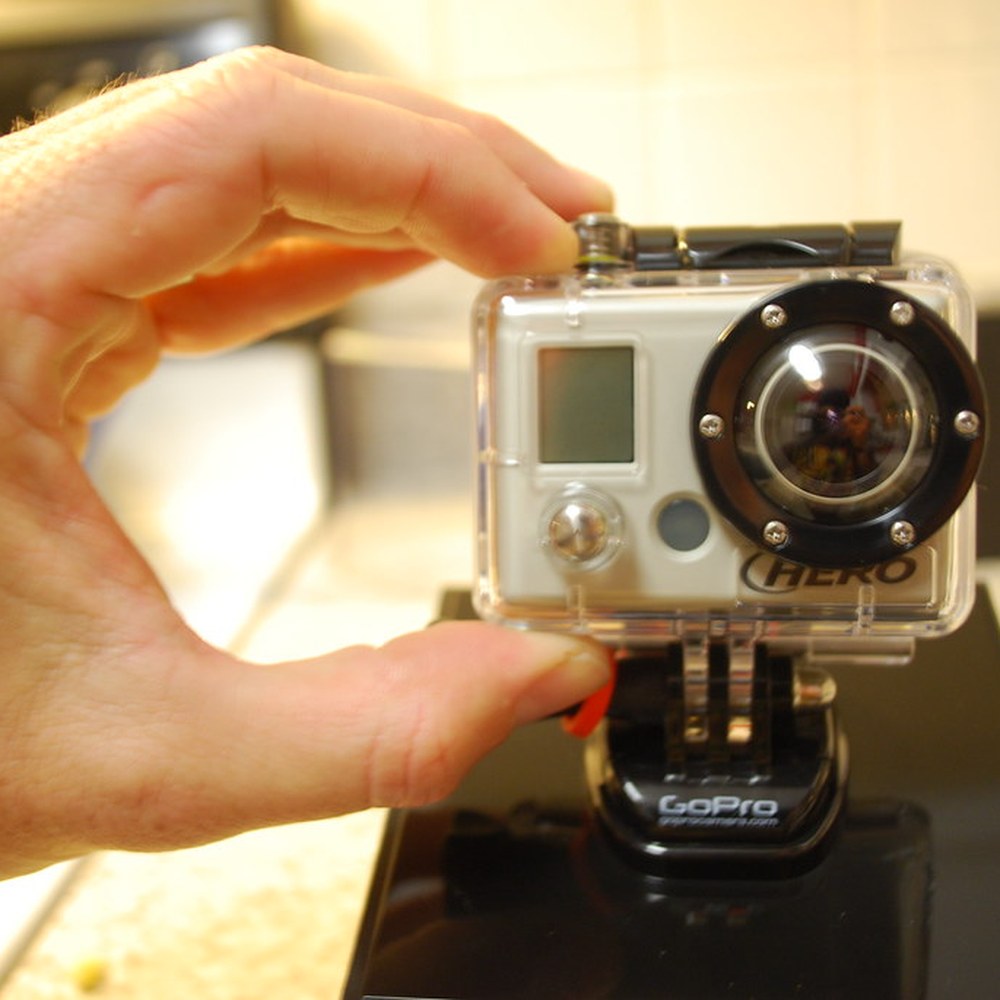
The HD Hero was the moment GoPro's cameras jumped from surfer novelty to serious tool, introducing 1080p video in a compact, mountable, waterproof housing at a price amateurs and pros alike could justify. Engadget's retrospective calls it a significant turning point for the company, one that began attracting attention from professional film and TV crews looking for a portable alternative to traditional cameras. It effectively created the modern action-camera category that Sony, DJI, and Insta360 have spent over a decade chasing.

Beats Studio by Dr. Dre
#3

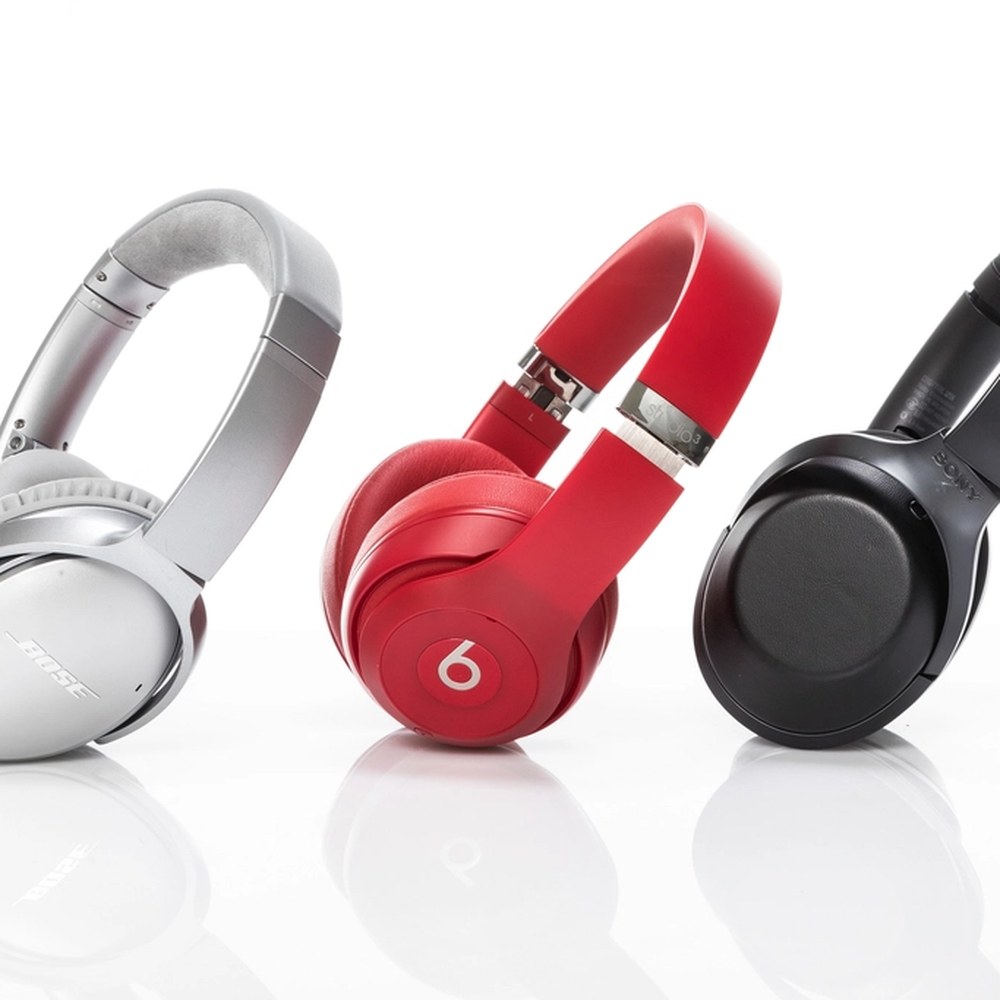
Beats Studio by Dr. Dre

Beats Studio didn't win on audio fidelity, it won by treating headphones as a fashion object at a time when, per co-founder Jimmy Iovine, most headphones were designed to look like medical equipment. Backed by Dr. Dre's cultural capital and heavy placement in music videos and on athletes, Beats hit 64% of the premium US headphone market by 2012 and a $1 billion valuation by 2013. TechRadar's 15-year retrospective argues Beats did to the headphone market what the iPhone did to smartphones, making them a visible status accessory rather than a purely functional one.

Fitbit (original clip-on tracker)
#4

Fitbit (original clip-on tracker)

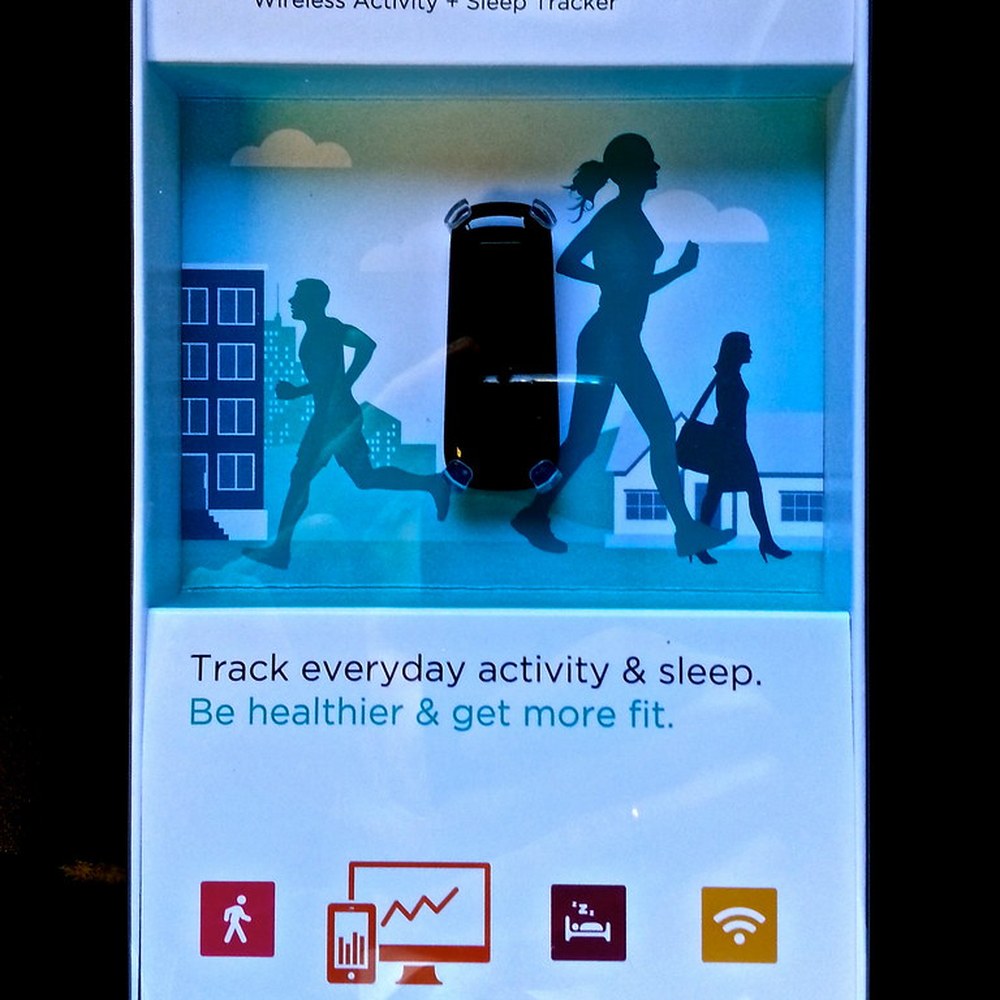
Where earlier activity trackers from Philips and BodyMedia were bulky, and Nike+ required an iTunes-tethered workflow, the original $99 Fitbit clipped onto clothing, displayed simple step counts, and paired with an easy web dashboard for food logging. IEEE Spectrum's Consumer Electronics Hall of Fame credits it with confounding expectations of what a wearable should look like and do. By 2014 Fitbit controlled 77% of the activity-tracker market, a dominance later validated by Google's $2.1 billion acquisition in 2019. It's the device that made counting your steps a mainstream daily habit years before smartwatches absorbed the feature.

Amazon Echo (1st generation)
#5

Amazon Echo (1st generation)

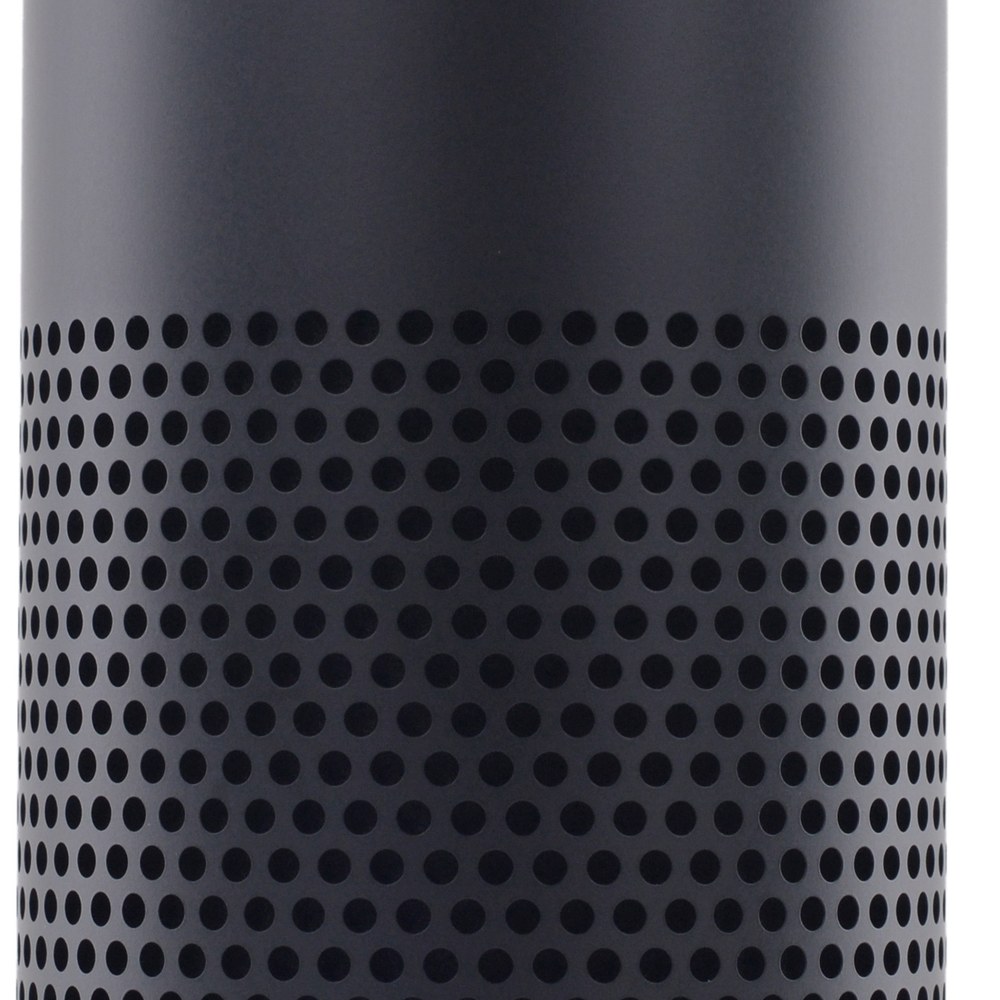
The original Echo introduced Alexa and, with it, the mainstream idea of talking to a speaker to control music, get the weather, or eventually run your smart home. TechRadar's review calls it Amazon's first foray into the smart speaker space, noting early interactions were simple, almost child-like, but that the platform's rapid post-launch evolution was the real story. It effectively created the smart-speaker category that Google Home and Apple HomePod later followed into, and both TIME's and Stuff's decade retrospectives cite it as one of the defining gadgets of the 2010s.

Ultimate Ears UE Boom
#6

Ultimate Ears UE Boom

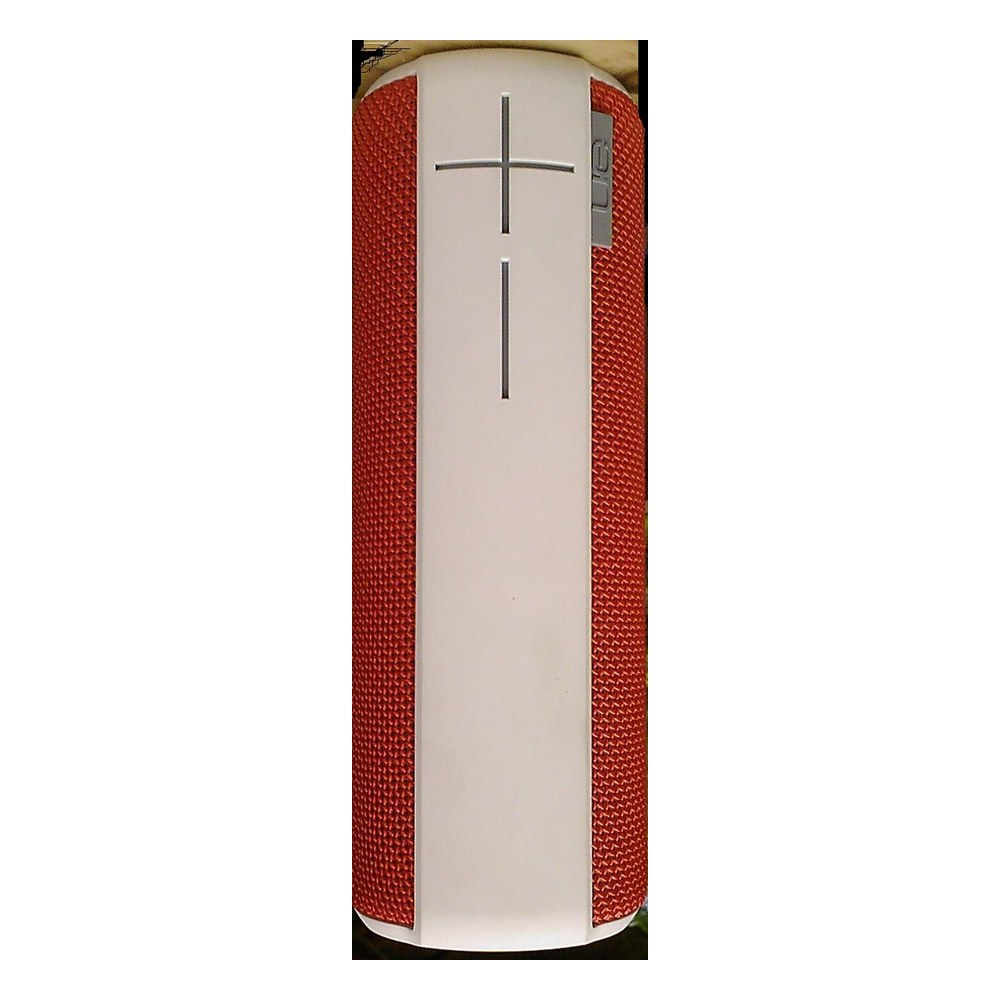
The UE Boom popularized the cylindrical, rugged, 360-degree-sound portable Bluetooth speaker format that essentially every competitor, JBL Flip, Bose SoundLink, converged toward afterward. Tom's Guide named it an Editor's Choice, praising its combination of ruggedness and sonic superiority over its competitors, and TechRadar similarly highlighted its companion app, multi-speaker linking, and durable design as ahead of the field. It's widely credited as the product that took Bluetooth speakers from tinny novelty accessories to a legitimate portable-audio category.

Apple Watch (1st generation)
#7

Apple Watch (1st generation)

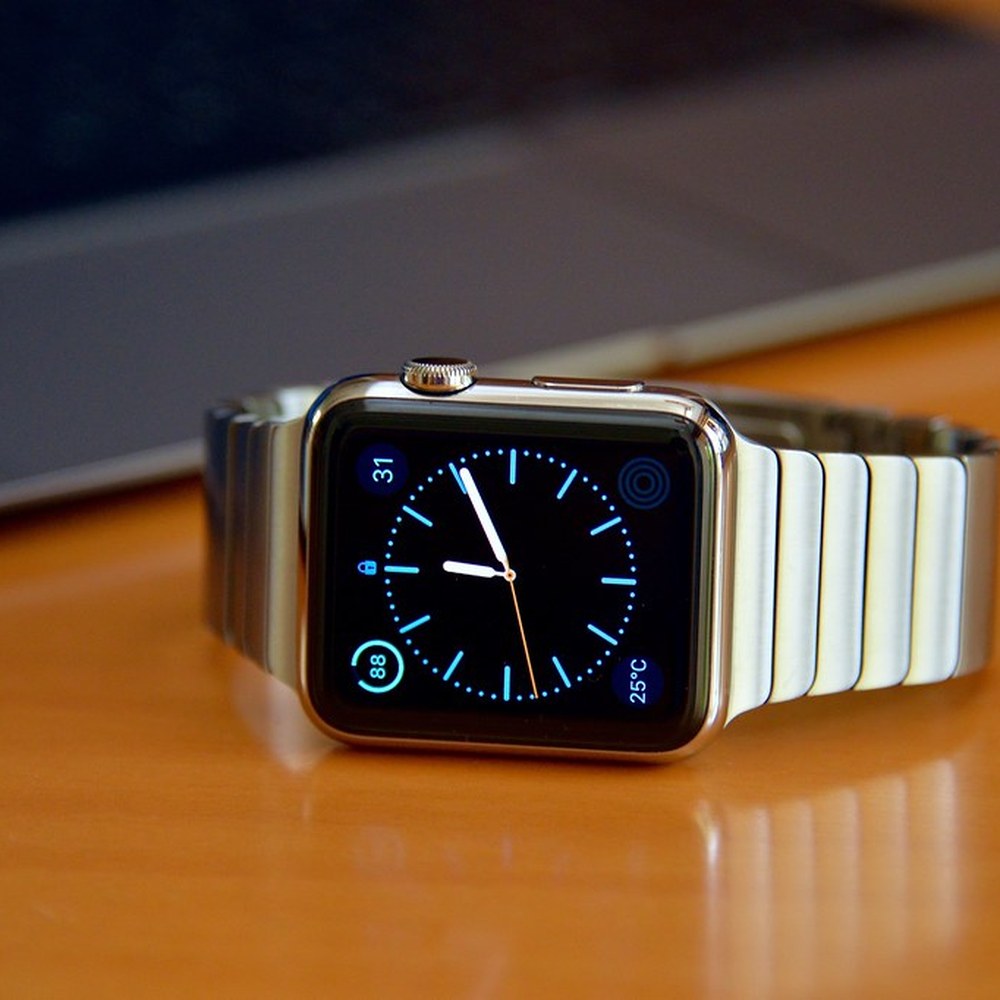
Announced in 2014 and released in April 2015, the original Apple Watch is widely credited with legitimizing the smartwatch as a mainstream product category rather than a geek novelty. TechRadar's review at the time called it a fantastic smartwatch, as long as you're expecting an iPhone-tied convenience gadget rather than a life-changing piece of technology, but noted its arrival normalized wearables broadly, even helping Android Wear's adoption story. TIME's Best Gadgets of the 2010s retrospective lists it as establishing the smartwatch standard by combining polished design with health-tracking capabilities.

Bose QuietComfort 35
#8

Bose QuietComfort 35

The QC35 was the first time Bose's iconic noise-cancelling line went fully wireless, and TechRadar's review called it a case of the company managing to cut the wires with very few compromises while keeping the noise-cancelling performance that made the QC line famous. Stuff.tv's 20 Most Important Gadgets of the Decade retrospective specifically cites the QC35 for offering effective ANC and comfort, and it's broadly regarded as the headphone that made wireless active noise cancellation a mainstream travel and commute essential rather than a niche audiophile feature.

Apple AirPods (1st generation)
#9

Apple AirPods (1st generation)

Mocked at launch as, in one critic's words, expensive and easy-to-lose cigarette butts, AirPods nonetheless sold an estimated 14 to 16 million units in 2017 and tens of millions more the following year, per IEEE Spectrum's Consumer Electronics Hall of Fame writeup, which frames them as the archetypal Apple product. Tom's Guide notes that while true wireless earbuds existed before AirPods, none were nearly as popular. Apple's pairing of them with the iPhone 7's headphone-jack removal effectively manufactured the category's mainstream demand, and AirPods are now the shorthand reference point for the entire true-wireless-earbud boom that followed across Samsung, Sony, Bose, and dozens of budget brands.

Google Chromecast
#10

Google Chromecast

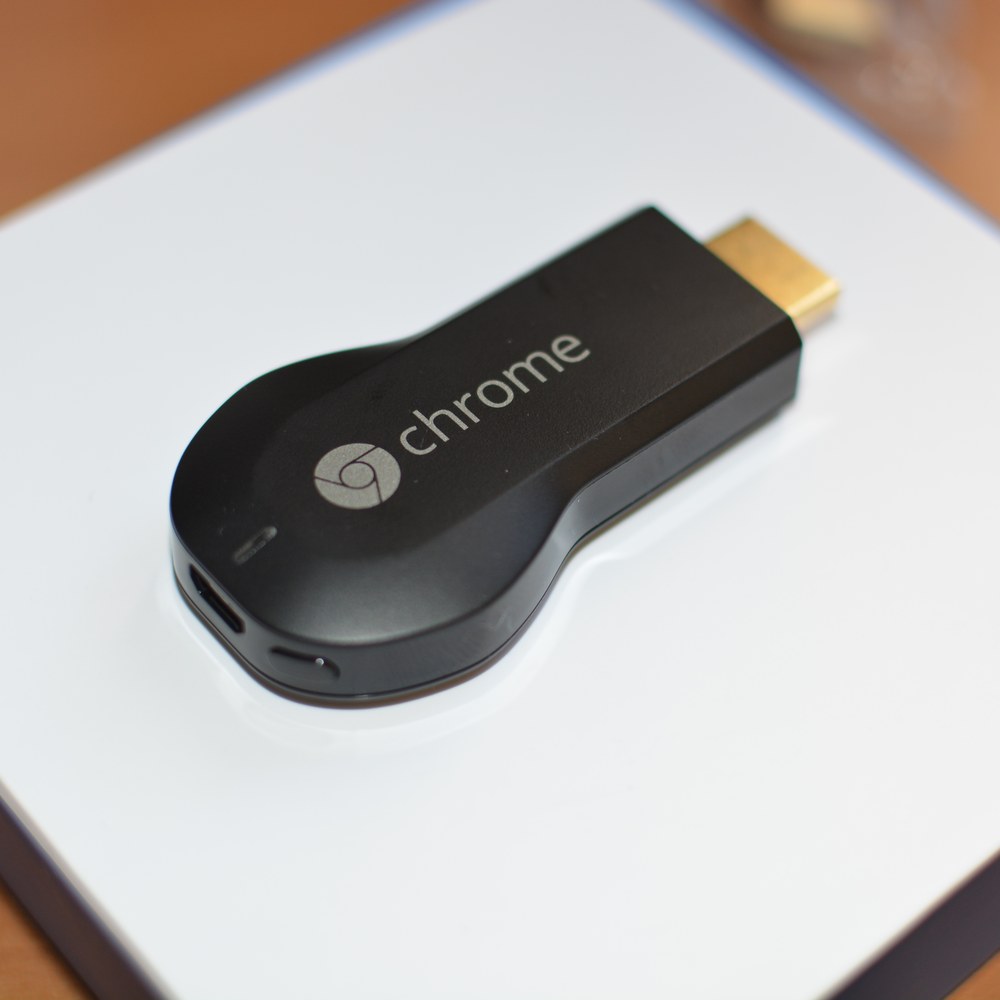
At $35, the original Chromecast dongle turned any TV with an HDMI port into a smart-streaming device without an expensive set-top box, and both TIME's and Stuff's decade retrospectives single it out for democratizing streaming access. Stuff's list describes it as an affordable streaming dongle enabling Netflix and YouTube casting to televisions, and TIME credits it with making smart connectivity affordable for people who didn't want to replace an entire TV. It reshaped consumer expectations that a screen didn't need built-in smarts, the accessory could just add them.

A few of these products are also things we've reviewed in full elsewhere on the site, and those reviews may contain affiliate links. This retrospective itself is editorial, not sponsored, and the products included here were chosen for their impact on the market, not for any commission potential. Full disclosure.