
Why this made the list
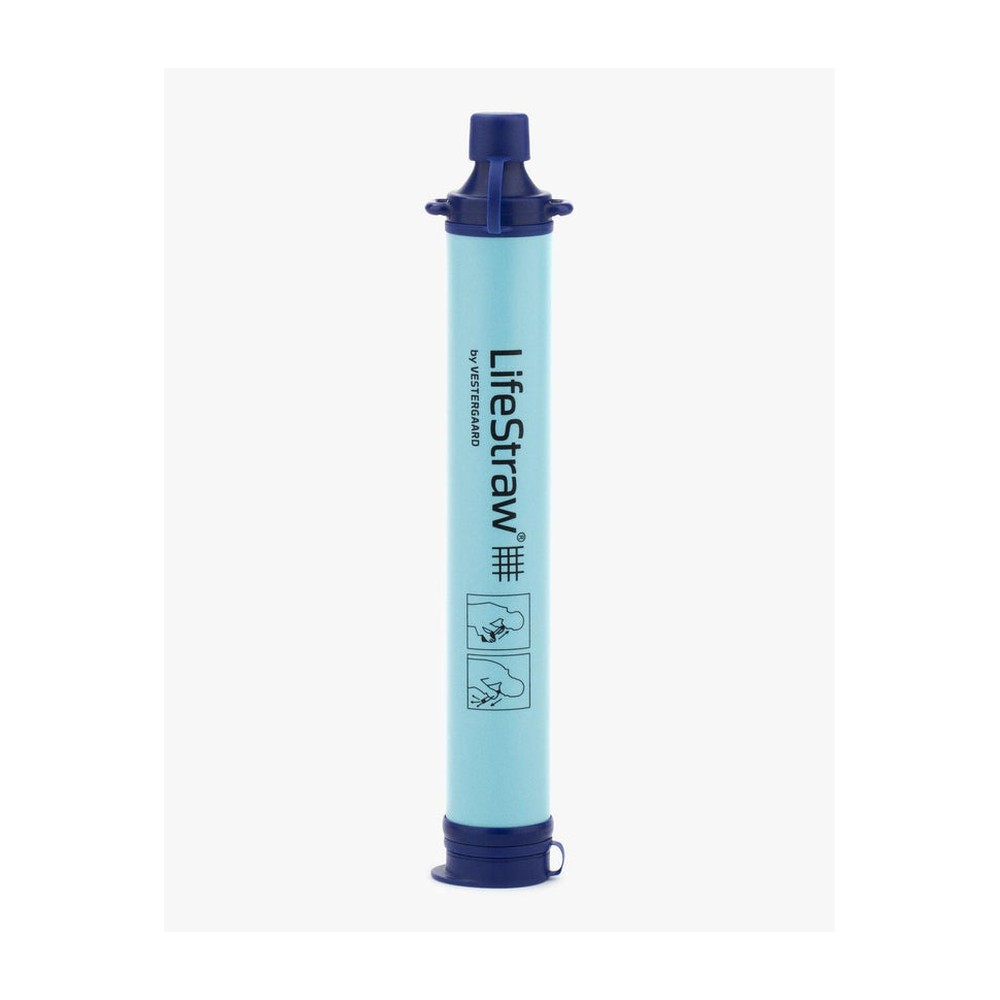
This is the filter most people picture when they hear the word "LifeStraw," and it's become the default cheap, no-moving-parts answer to "what if the water isn't safe." It's rated to filter around 4,000 liters over its lifespan, which for most people means it outlasts the situation it's bought for.
What it actually does
It's a hollow-fiber membrane filter with a 0.2-micron pore size, built into a straw you drink directly through. It removes bacteria and protozoan parasites like Giardia and Cryptosporidium, which covers most of what makes backcountry or emergency water unsafe to drink. It does not remove viruses, chemicals, or heavy metals, so it's not a fit for water with industrial contamination or, generally, international travel where viral contamination is a real risk. At about 1.75 ounces it's genuinely pocket-sized. The tradeoff for that simplicity is that it has no storage capability, you drink straight from the source, and reviewers consistently note it takes real suction effort, especially with murky or turbid water, and there's no easy way to clean it once it clogs since the internals aren't accessible.
Who this is actually for
Someone who wants a small, cheap insurance policy for hiking, travel, or an emergency kit, not a primary filtration system for regular use. It's best suited to relatively clear water sources and short trips where you're drinking on the spot rather than filling bottles to carry.
What to weigh before buying
- It doesn't filter viruses, chemicals, or heavy metals, so it's the wrong tool for contaminated municipal water or international travel in areas with viral risk.
- There's no way to store filtered water, you have to drink directly from the source, which isn't practical for cooking or filling bottles to carry.
- Suction effort increases noticeably as the filter clogs or the water gets murkier, and there's no real way to clean it once that happens.
- It's genuinely budget-priced for what it does, but that price reflects real limitations, not just marketing restraint.
The verdict
A cheap, pocket-sized safety net for clear water sources, not a full-featured filtration system. It does its narrow job well and is worth having in a bag or glovebox, but the lack of storage and the effort required as it clogs mean it's a backup, not a primary filter.