
Water prep splits into two jobs that people routinely mix up. Filtration makes water you found, a creek, a lake, a questionable tap, safe to drink. Storage just holds water you already trust, so it's there when the tap isn't running at all. Buying one and assuming it covers the other is how people end up under-prepared in exactly the situation they were trying to prep for.
Filtration: for water you don't already trust
A filter's whole job is turning an unknown water source into a safe one, on the spot, without waiting for a boil or a chemical treatment to finish. The three below cover a real range: grab-and-go simplicity, everyday convenience, and long-term durability.
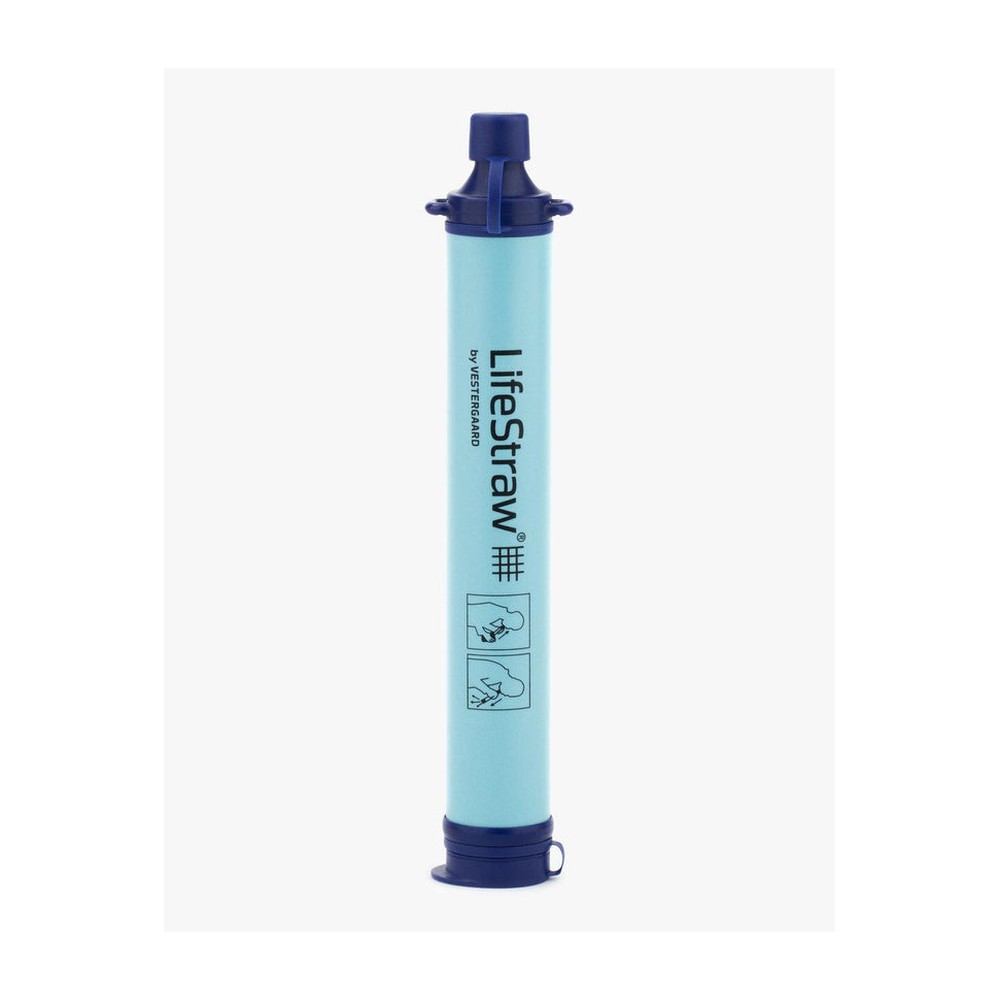
LifeStraw Personal Water Filter
A straw-shaped filter that turns questionable water safe to drink on the spot. No pump, no batteries, just suck and go.
The lowest-friction option here: no pump, no batteries, just drink straight from the source through the straw. It's the one to toss in a bag and forget about until it's actually needed.
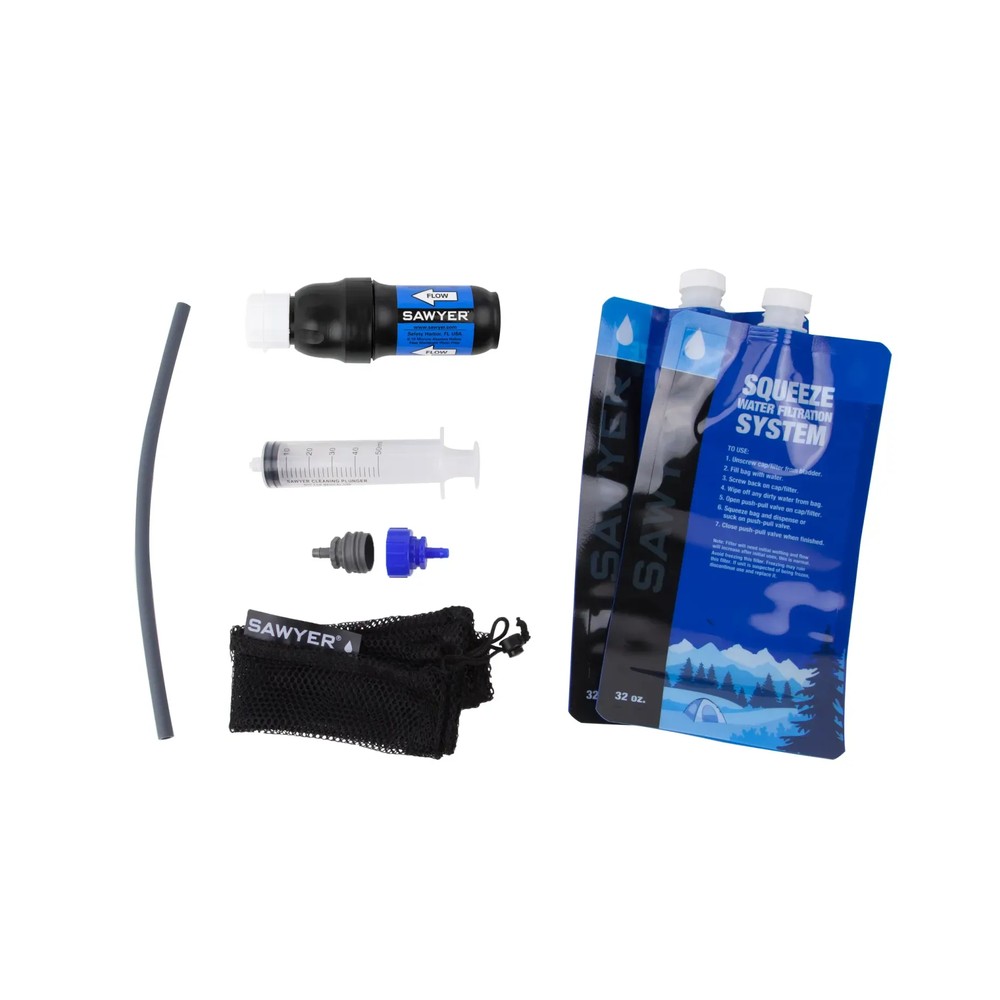
Sawyer Squeeze Water Filtration System
Squeeze-pouch filtering that's faster than a straw filter and easy to refill a bottle or cook pot with.
Faster than a straw filter because it squeezes water through instead of relying on suction, and it's just as easy to refill a bottle or a cook pot. This is the everyday-carry pick if filtering is a regular task, not a once-in-a-while emergency step.
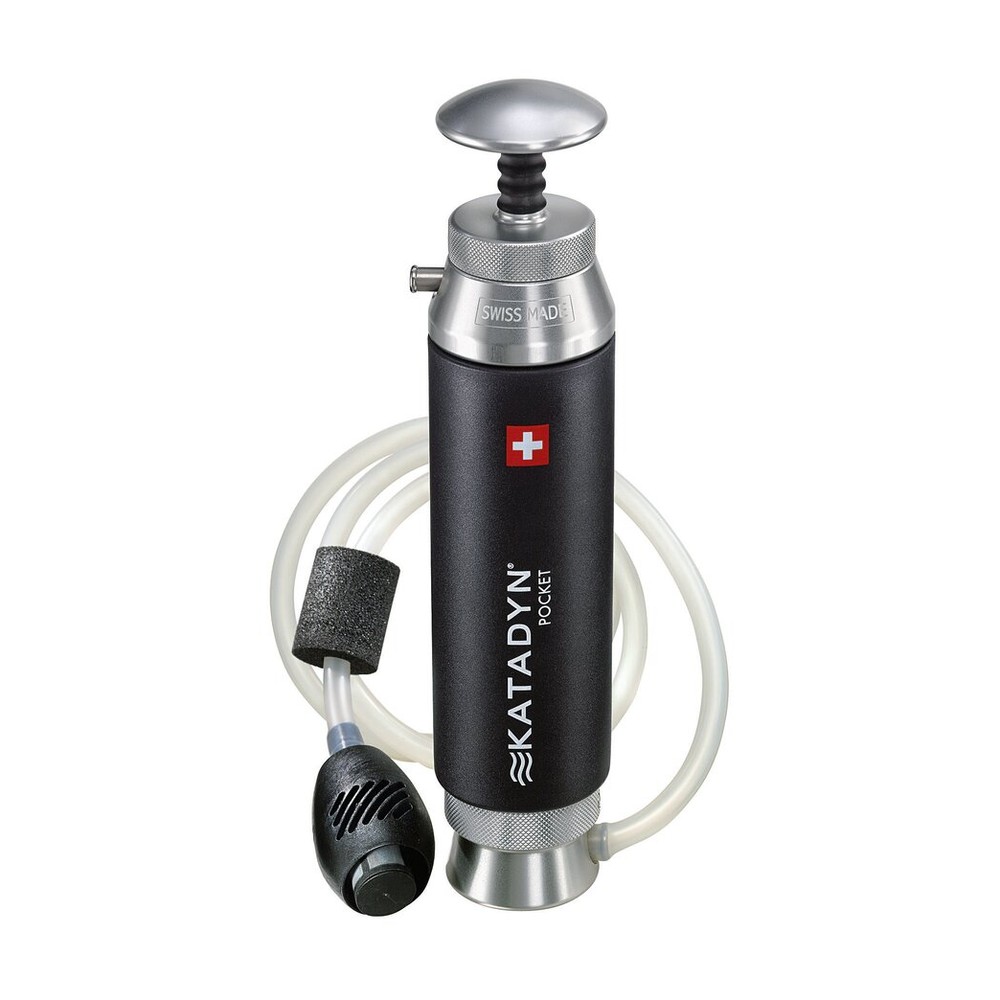
Katadyn Pocket Water Microfilter
A ceramic pump filter built to outlast the trip. Expensive, but this is the one people still carry twenty years later.
The expensive option, and it's expensive for a reason: a ceramic pump filter built to keep working for years of real use, not a single trip. Buy this one if the filter needs to outlast a lot of hard use, not just survive it once.
Storage: for water you already have
Storage doesn't purify anything. Its only job is holding clean water so it's available when the tap isn't, whether that's a short outage or something longer. The choice here mostly comes down to how the water needs to be stacked and moved.
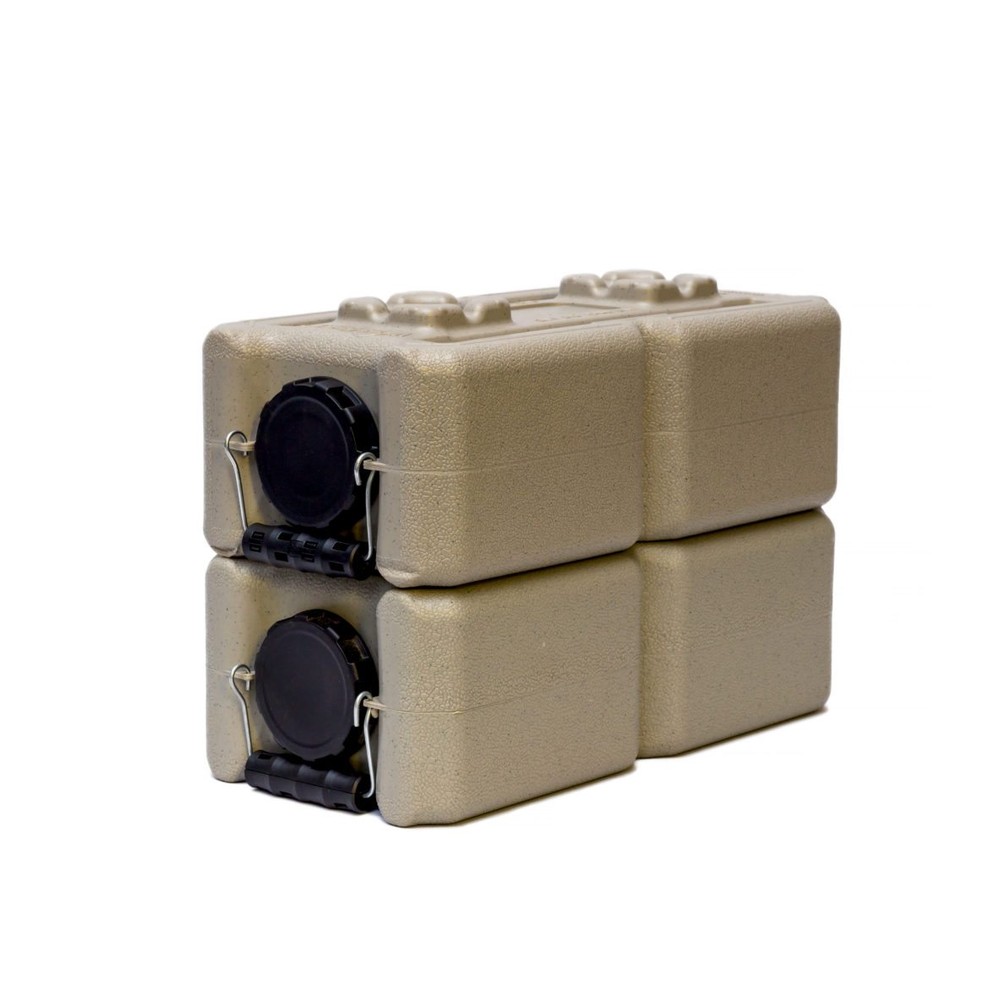
WaterBrick 3.5 Gallon Stackable Container
Stackable, interlocking water bricks that store cleaner than a pile of loose jugs and actually fit in a closet or truck bed.
Interlocking, stackable containers that store far cleaner than a pile of loose jugs and actually fit somewhere useful, a closet shelf, a truck bed, without wasting space. The modularity is the whole appeal: add more bricks as the need grows instead of buying one bigger container.
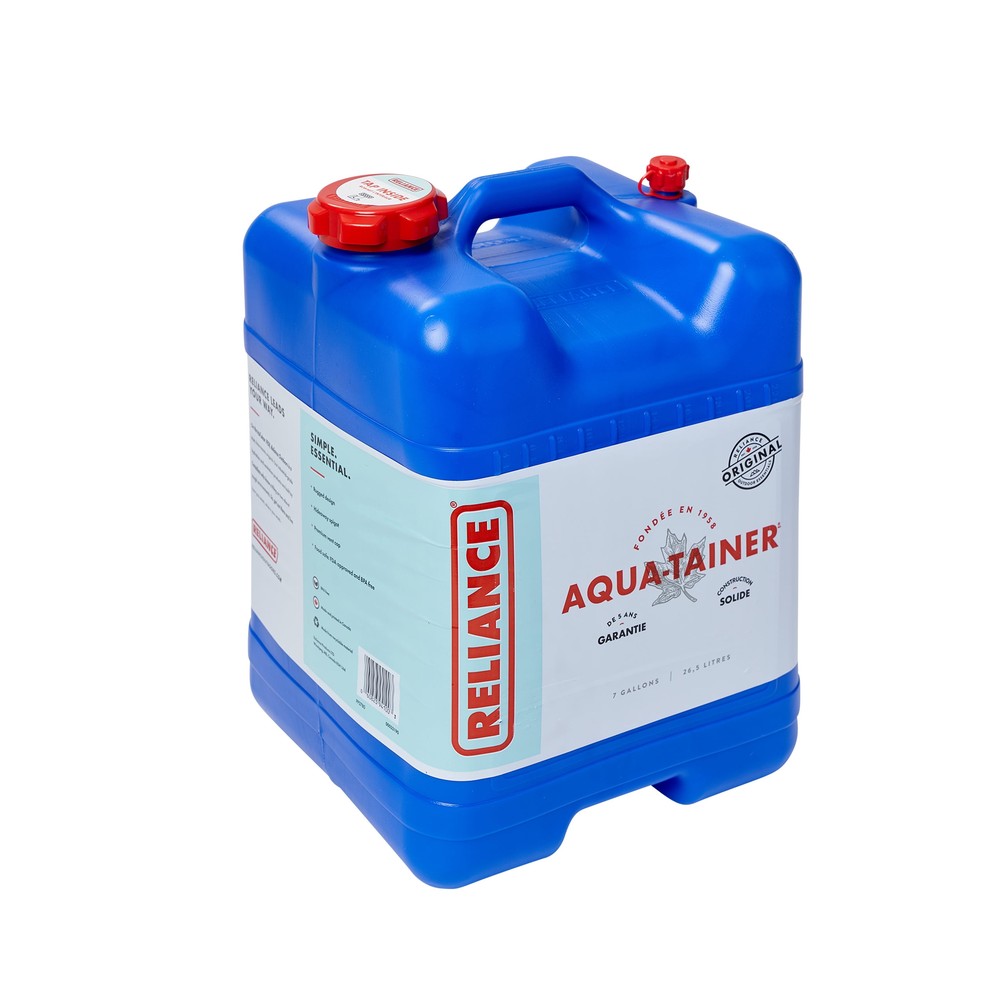
Reliance Aqua-Tainer 7 Gallon
A simple rigid jug with a spigot, for anyone who just needs a lot of water in one container without stacking anything.
The simpler answer for anyone who just needs a lot of water in one place. A rigid jug with a spigot, no stacking system to plan around, just fill it and set it somewhere it won't get knocked over.
How much stored water actually makes sense
- The standard planning number is about one gallon per person, per day, covering drinking and basic hygiene. A household of four planning for a week is looking at close to 28 gallons, which is why stacking or modular storage matters more than it sounds like it should.
- Filtration and storage aren't a choice between one or the other. Storage covers the water you already have. A filter covers what happens if that runs out and the only water left is from a source you don't already trust.
- If only buying one thing today, a filter is the more universally useful purchase, since it works on water you didn't plan for. But it doesn't replace having some water already set aside before anything goes wrong.