
Every power station in this category claims to keep the lights on. What they don't all do is the same job. A station sized for a weekend camping trip is not sized for a multi-day outage with a fridge attached, and buying too much capacity wastes money in the same way buying too little wastes a trip. Here's the actual breakdown, tier by tier.
Sizing it to the job, not the spec sheet
The honest way to size a power station has nothing to do with the biggest number on the box. It comes down to two questions: what are you trying to run, and for how long. A phone and a couple of lights ask very little of a battery. A mini-fridge running continuously, or a laptop plus a fridge plus lighting over several days, asks a lot more. The three tiers below map roughly to three real situations: a short outage or a weekend off-grid, a full weekend trip or a multi-day outage covering the essentials, and an extended stay where something has to run continuously for days at a time.
The three tiers
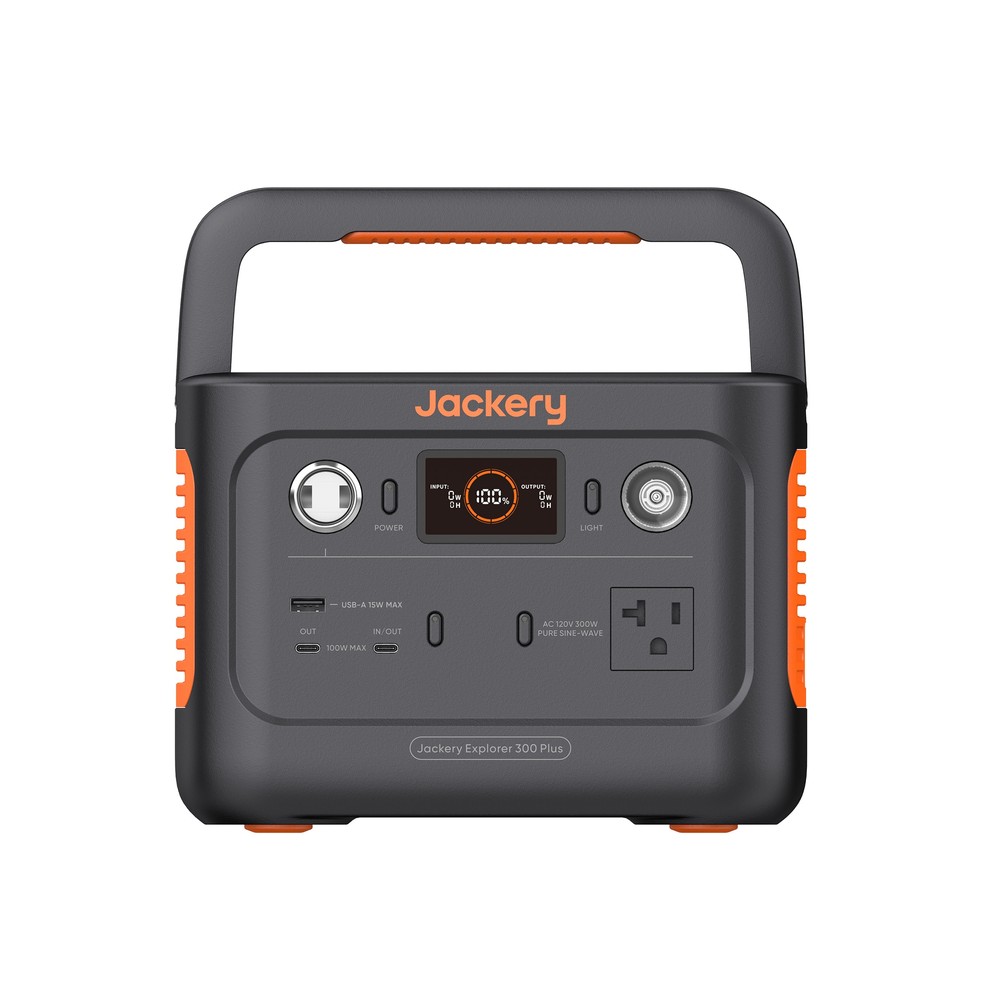
Jackery Explorer 300 Plus
A compact power station with enough capacity to keep a phone, laptop, and small fridge running through a short outage or weekend off-grid, without the bulk of the bigger units.
This is the entry point, and it's sized honestly. It's built to carry a phone, a laptop, and something small like a mini-fridge through a short outage or a weekend off-grid, not to run a household. The tradeoff for that smaller capacity is the one that actually matters day to day: it's small enough to not think twice about packing.
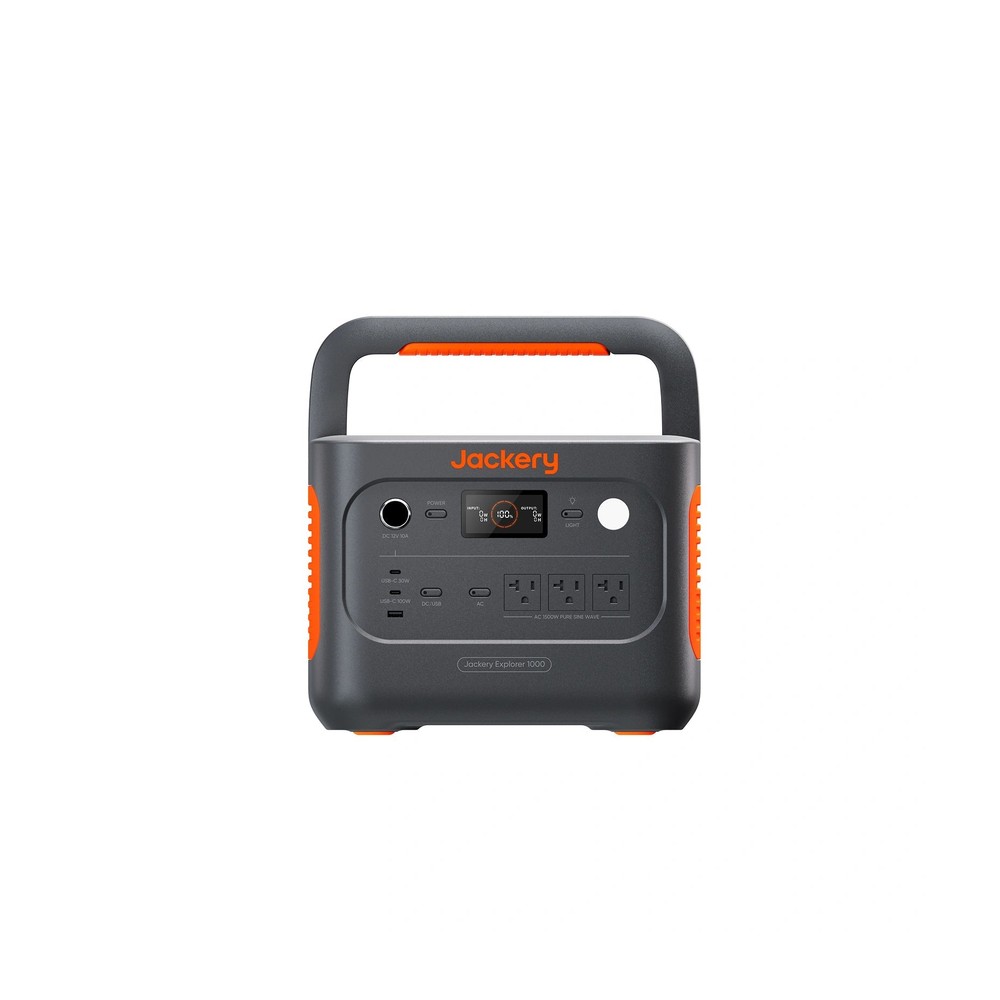
Jackery Explorer 1000 v2
The middle-tier Jackery, big enough to run a full weekend off-grid trip or back up the essentials during a multi-day outage.
The middle tier exists because most people's actual situation lands here: not a quick overnight, but not an extended off-grid stay either. This is the one built for a full weekend trip, or for backing up the essentials, phone, some lights, maybe a router, through a multi-day outage without babying the battery level the whole time.
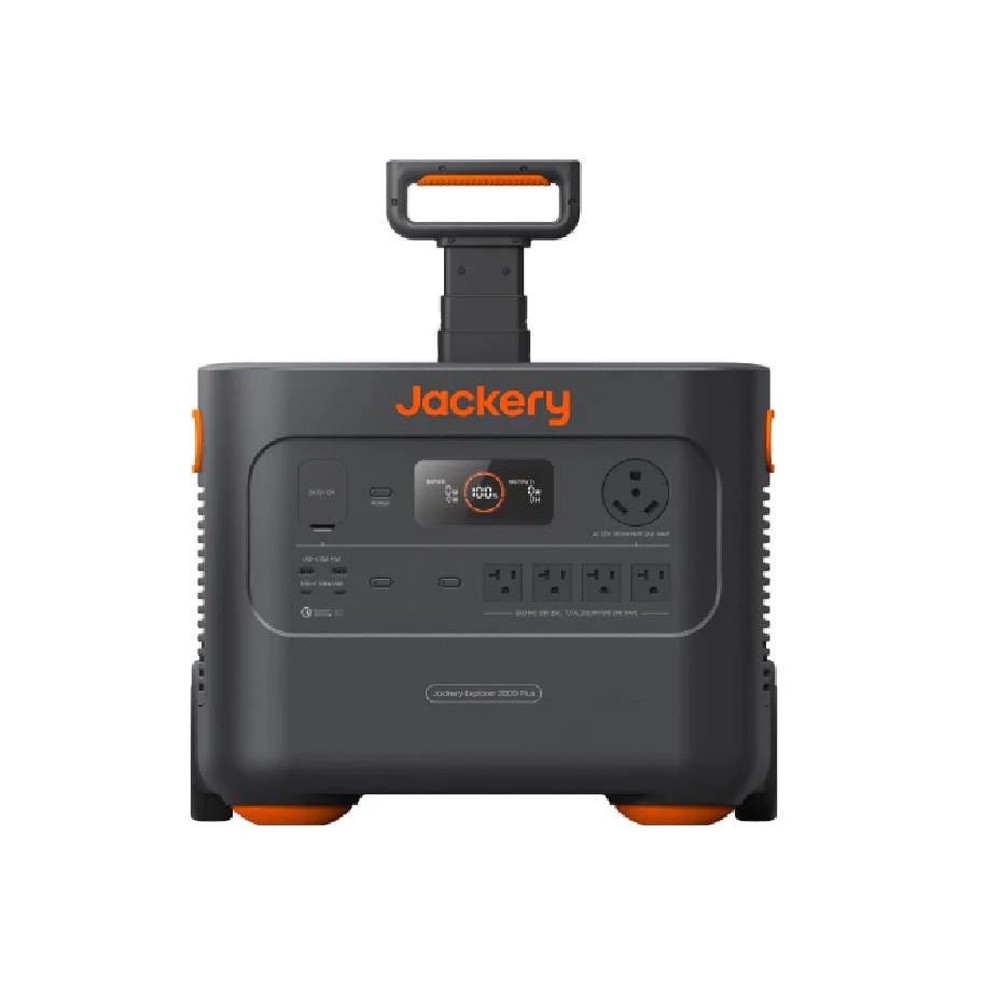
Jackery Explorer 2000 Plus
Enough stored power to run a fridge, some lights, and a few devices for days, with the option to add extra battery packs later.
The top tier is for a genuinely different situation: running a fridge, some lighting, and a handful of devices continuously for days, not just keeping them alive intermittently. It also has the option to add extra battery packs later, which matters if the actual need turns out to be even longer than planned. This is the one to buy because the job is a fridge running for a week, not because the number is bigger.
Which one to actually buy
- Short outage, or a weekend off-grid with light needs. The Explorer 300 Plus covers a phone, a laptop, and a small fridge without paying for capacity you won't use.
- A full weekend trip, or a multi-day outage covering the essentials. The Explorer 1000 v2 is the realistic middle ground for most households.
- Running a fridge for days, not hours. The Explorer 2000 Plus is sized for that job, with room to expand if the situation runs longer than expected.