
Everything in a carry-on competes for the same few liters. The test for any piece of tech is not whether it is useful. It is whether it is more useful than the space it displaces.
Most travel tech fails that test. A lot of it duplicates something your phone already does, or solves a problem that only occurs on one trip in twenty. What follows is the gear that keeps earning its place.
Power, and the mistake most people make
The common failure is owning a good power bank and a separate tangle of cables to go with it, then leaving one of them at home. A bank with the cable built in removes the failure mode entirely.
Ten thousand milliamp hours is the sweet spot for carry-on. It is roughly two full phone charges, and it stays under the airline limits that start to matter above 100Wh.
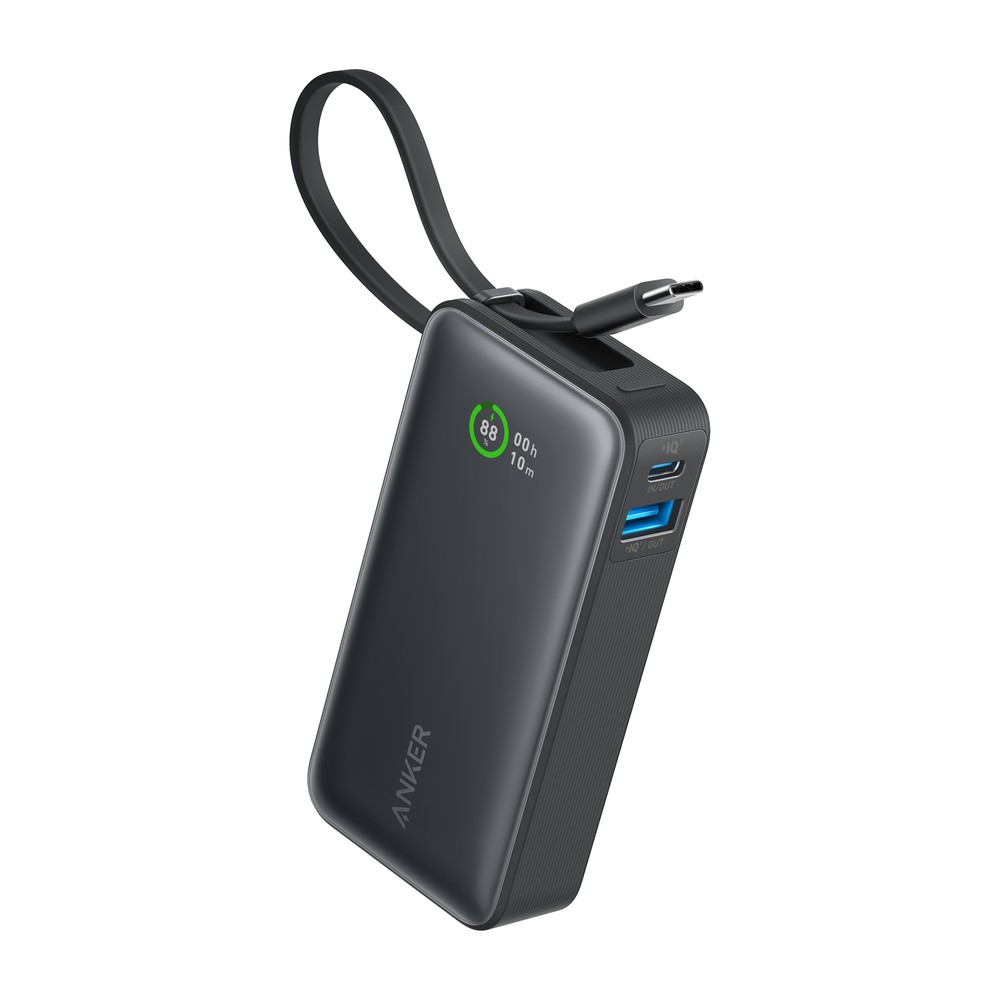
Anker Nano Power Bank
10,000mAh with a built-in cable, so there's nothing to forget in the glovebox. The kids'-tablet-dies-in-the-backseat fix.
For anything outdoors, or when the bag itself needs the battery clipped to the outside rather than buried inside, a carabiner-style unit is a different tool for a different job.
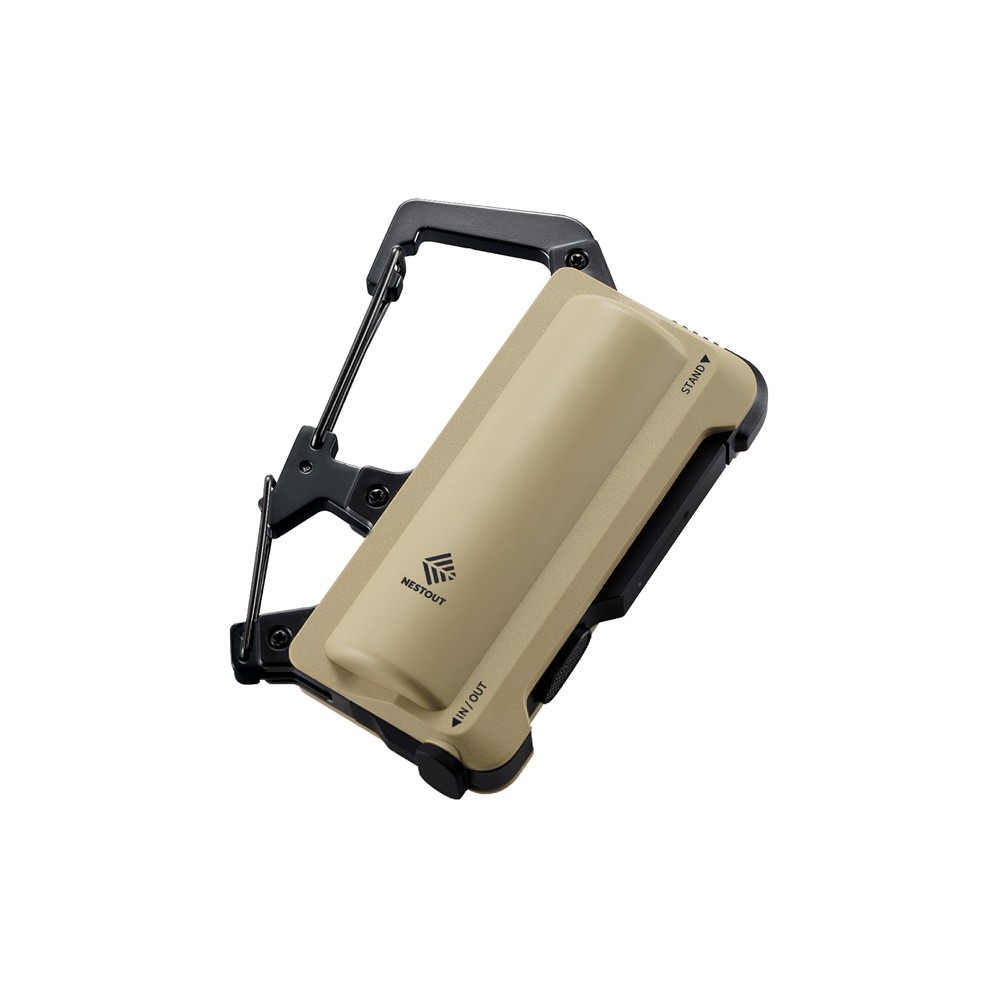
Nestout Carabiner Battery (5,000mAh)
A power bank small enough to clip to a bag and forget about until it's needed.
The adapter question
International trips need a plug adapter, and the standard advice is to buy a big all-in-one brick. Those are heavier than they need to be for what most people actually plug in, which is phones, a tablet, and a laptop that charges over USB-C.
A compact adapter with the ports built in covers that entirely.
Two things to be clear about, because this is where people get caught out. It has no ground pin, so it will not take grounded three-prong electronics. And it is a plug adapter, not a voltage converter, so it will not safely run a hair dryer or anything else with a real heating element. If you need those, that is a separate purchase and a heavier one.
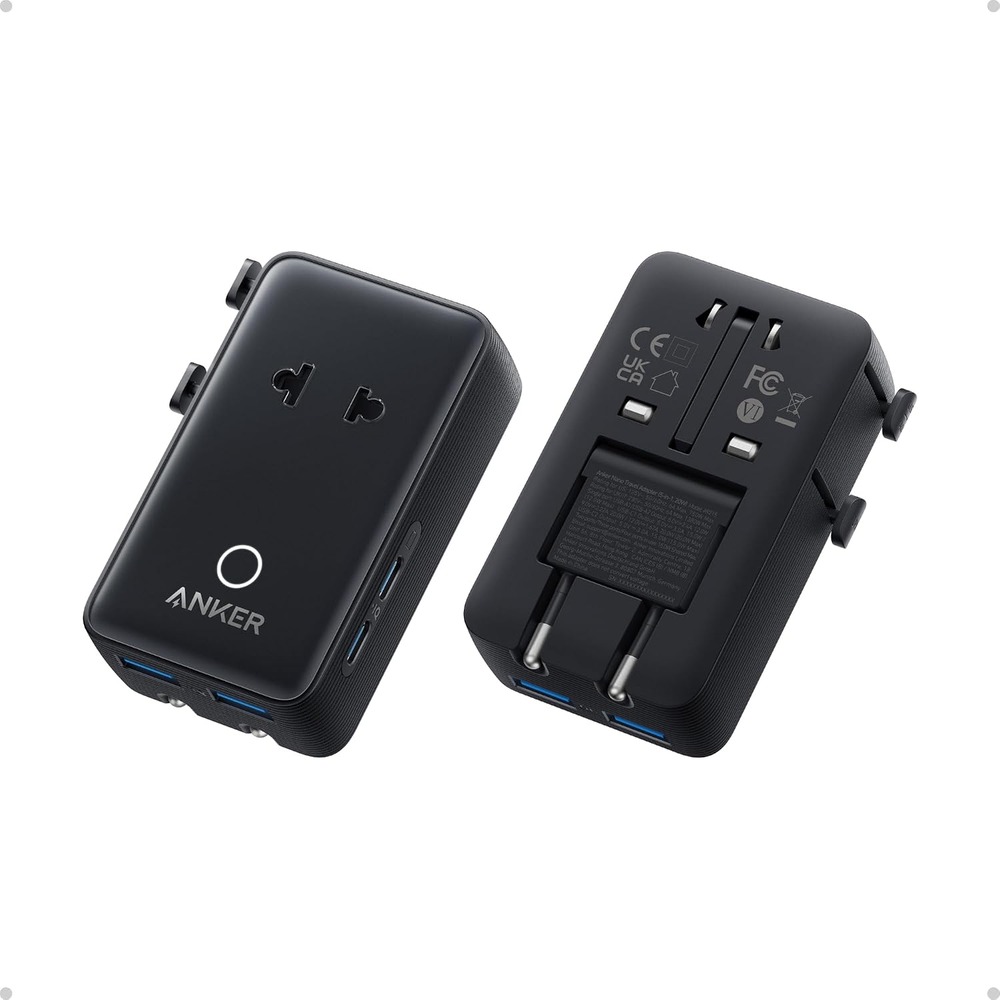
Anker Nano Travel Adapter
A pocket-sized international plug adapter with two USB-C ports built in, works in 200+ countries without a bulky all-in-one brick.
Earbuds that do two jobs
Noise cancelling on a plane is close to non-negotiable if you want to arrive functional. The reason these make a carry-on list specifically is the case, which doubles as a power bank and a phone stand.
That is two other objects you do not have to pack. On a trip where every item is competing for space, consolidation is worth more than marginal audio quality.
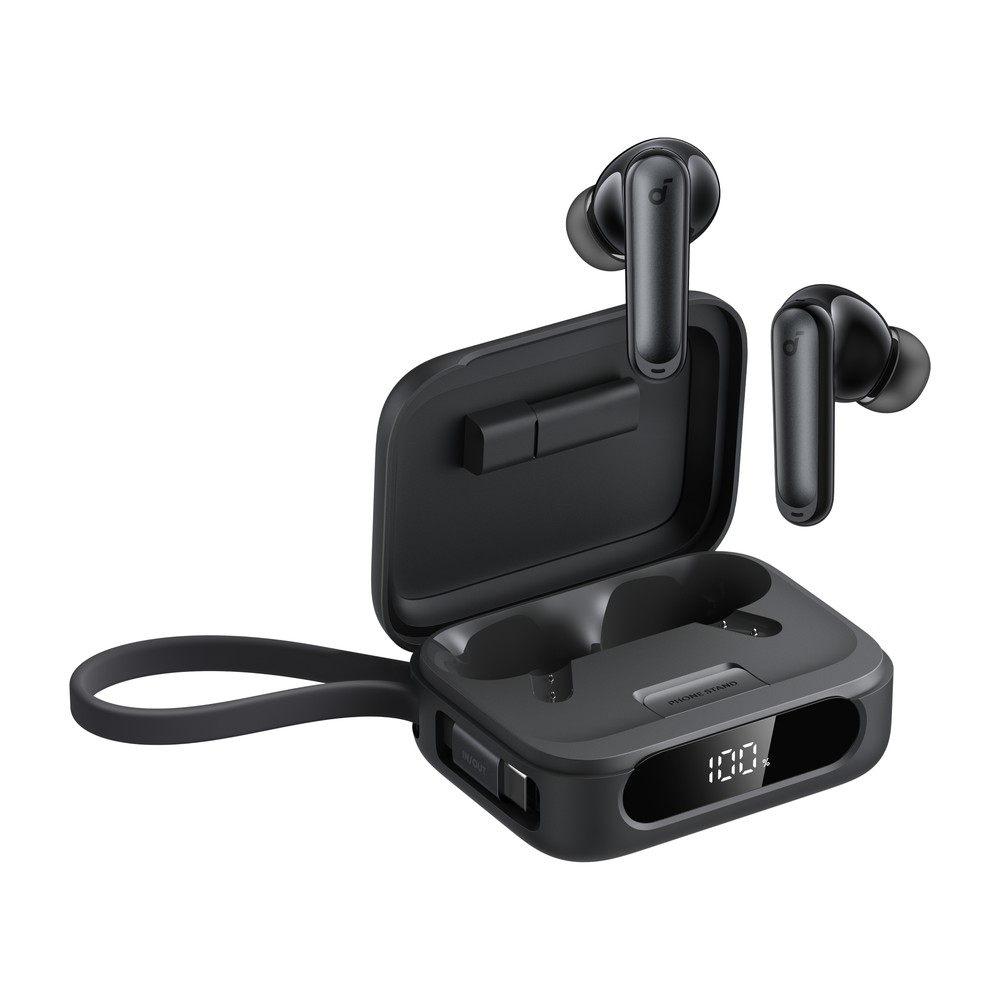
Soundcore P41i Earbuds
ANC earbuds where the case doubles as a power bank and a phone stand. Built with travel in mind.
Stop the bag becoming a junk drawer
Cables, adapters, and small electronics loose in a carry-on migrate to the bottom and tangle. A dedicated case is the difference between finding your charger in five seconds and unpacking half the bag at a gate.
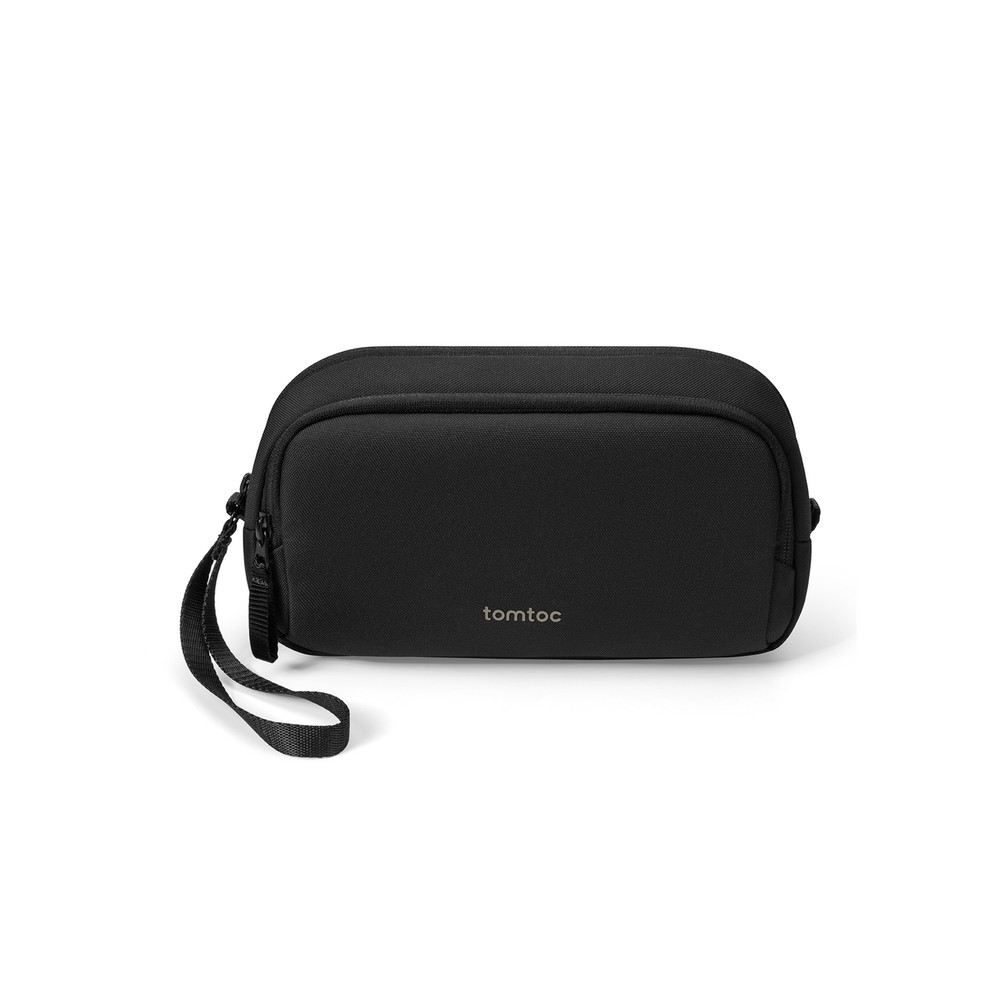
tomtoc Electronic Organizer Case
A dual-compartment case that keeps cables, chargers, and small electronics from turning a bag into a junk drawer.
Same logic for clothes. Compression cubes buy back real volume, and the buckle system keeps things from redistributing into a wrinkled heap somewhere over the Atlantic.
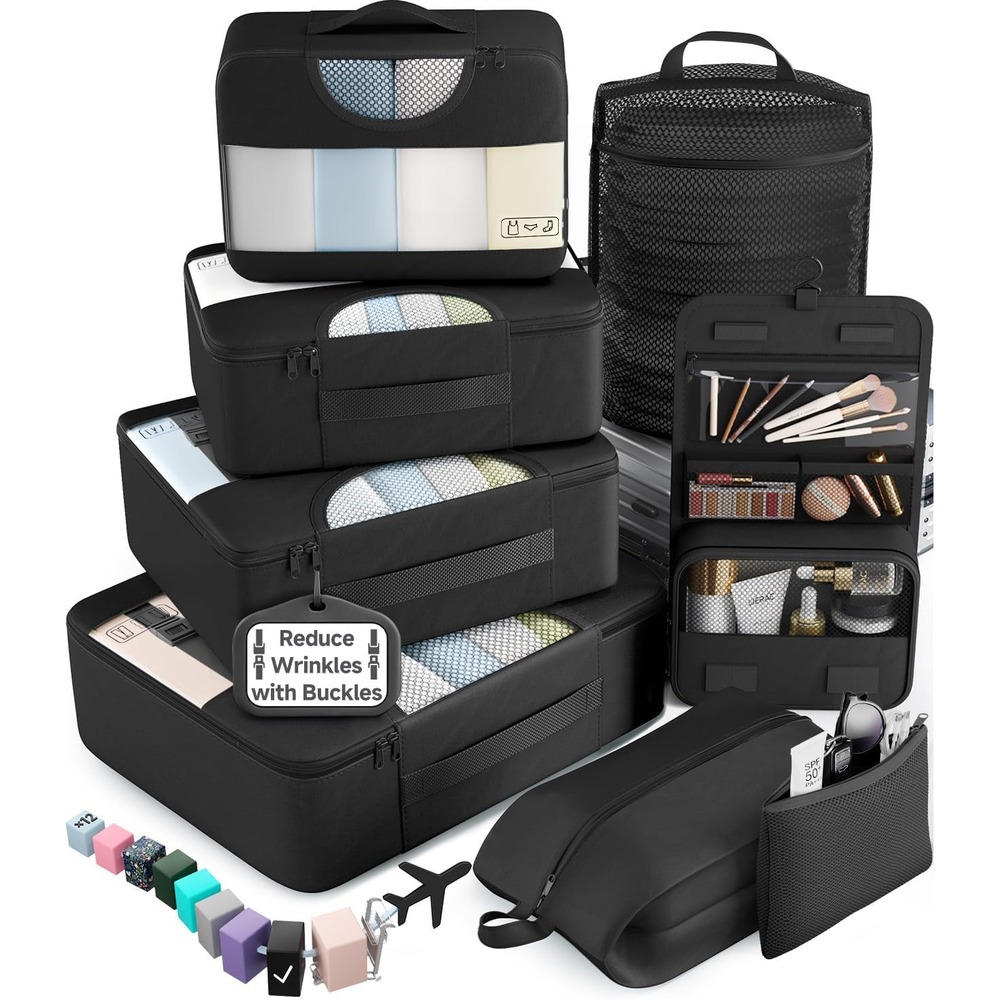
Veken Packing Cubes Set
Compression packing cubes that actually buy back suitcase space, with a buckle system that keeps clothes from shifting into a wrinkled pile mid-flight.
Know where the bag is
Trackers went from novelty to genuinely sensible the moment they started riding on Apple's Find My network, which means they piggyback on every iPhone in an airport rather than needing their own signal.
The multi-pack matters because the useful configuration is one in the checked bag, one in the carry-on, one in the laptop sleeve.
The catch, stated plainly: this is an Apple ecosystem product. On Android these do not work at all.
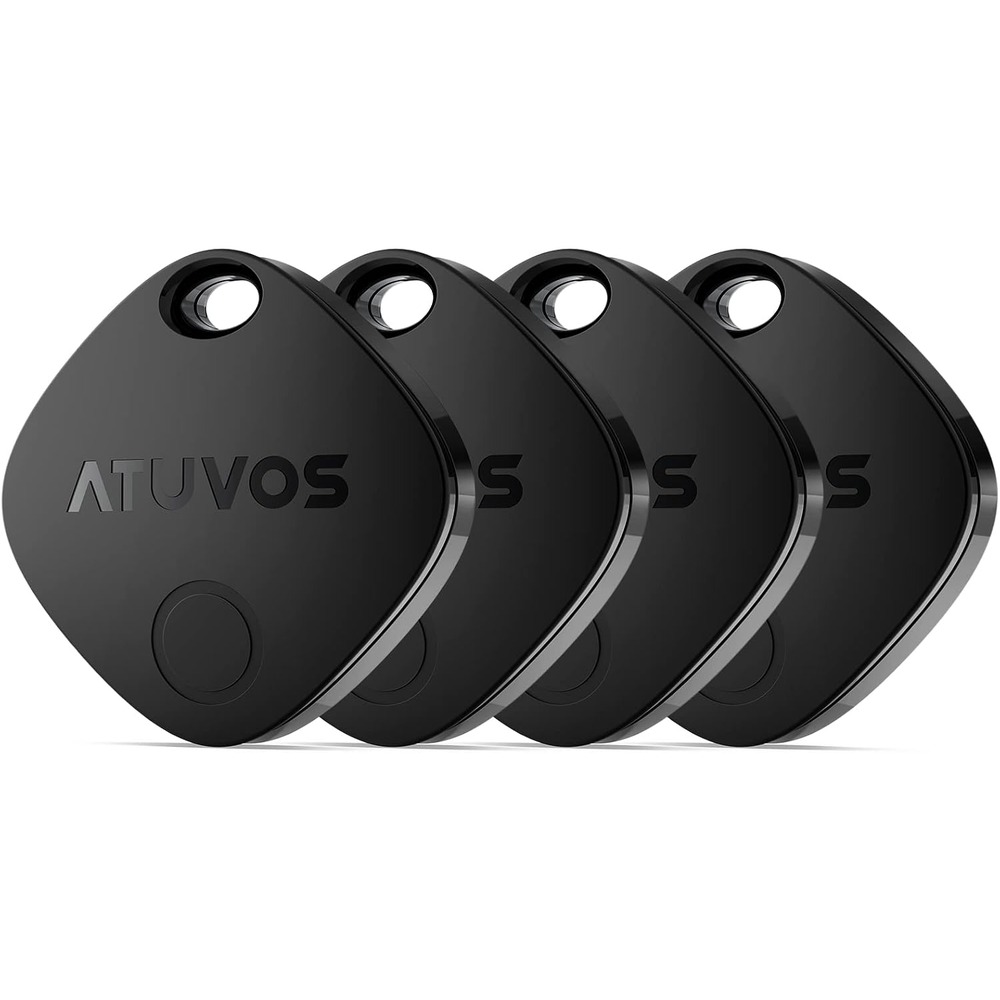
ATUVOS Air Tracker (4-Pack)
Apple Find My-compatible trackers for a fraction of AirTag pricing, sized to hide in a suitcase, backpack, or laptop bag.
If the trip involves not being on a plane
For travel that ends somewhere outdoors rather than in a hotel, a portable speaker is the one luxury item that reliably justifies itself. It is also the one to leave home if the trip is purely business.
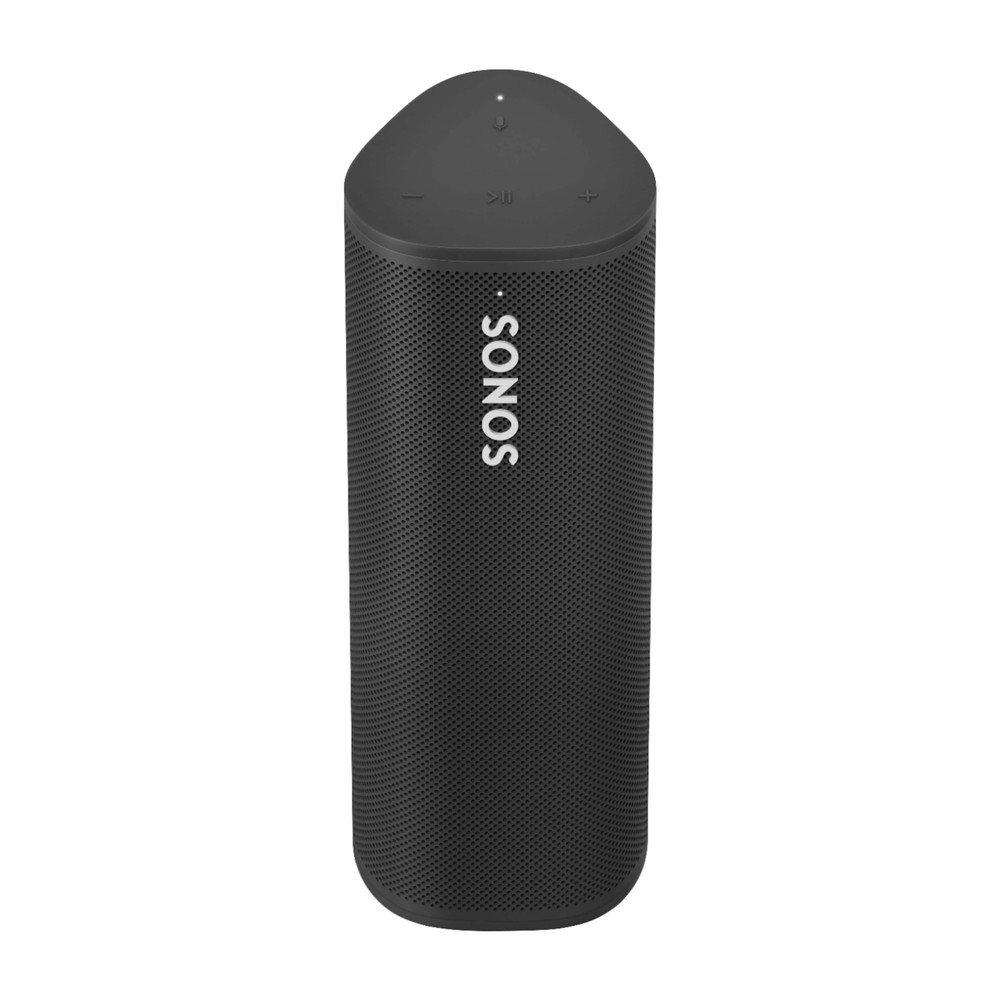
Sonos Roam
A genuinely portable speaker that also plays well with an indoor Sonos setup. The one for outside.
The bag itself
An under-seat bag is a different strategy from a full carry-on. It skips the overhead bin gamble entirely, which on a full flight is the difference between walking off the plane and waiting to gate-check.
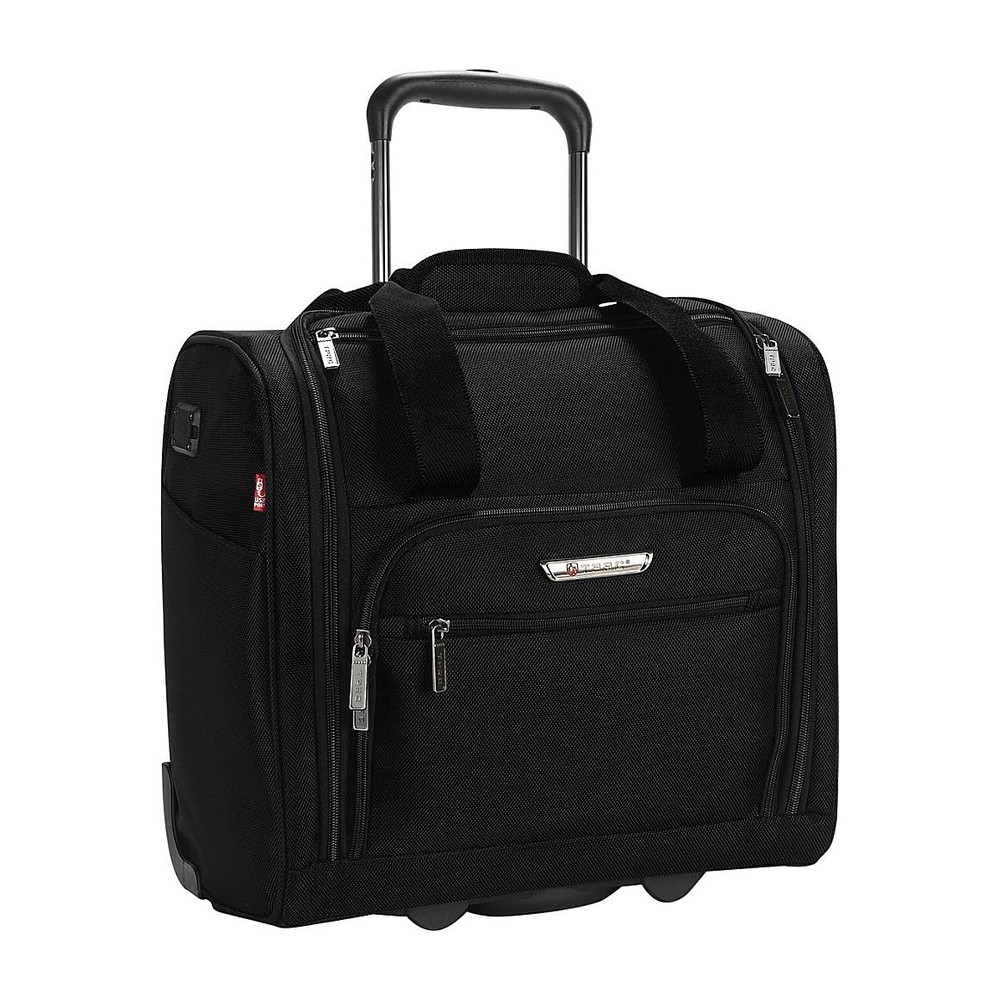
TPRC Smart Under-Seat Carry-On
An under-seat bag with a built-in USB charging port, sized to skip the overhead-bin gamble.
What to leave home
- A travel router. Solves a problem most travelers do not have, and hotel wifi is usually not fixable from your end anyway.
- A second power bank. One good one and the discipline to recharge it beats two mediocre ones.
- Anything with a heating element. Voltage differences abroad make this a genuine fire risk, not an inconvenience.
- A dedicated camera, unless you will actually use it. Be honest about this one.
The minimum viable kit
If you pack nothing else from this list: power bank with a built-in cable, noise cancelling earbuds, and one organizer case. That covers the three failures that actually ruin travel days, which are a dead phone, an unbearable flight, and not being able to find anything.